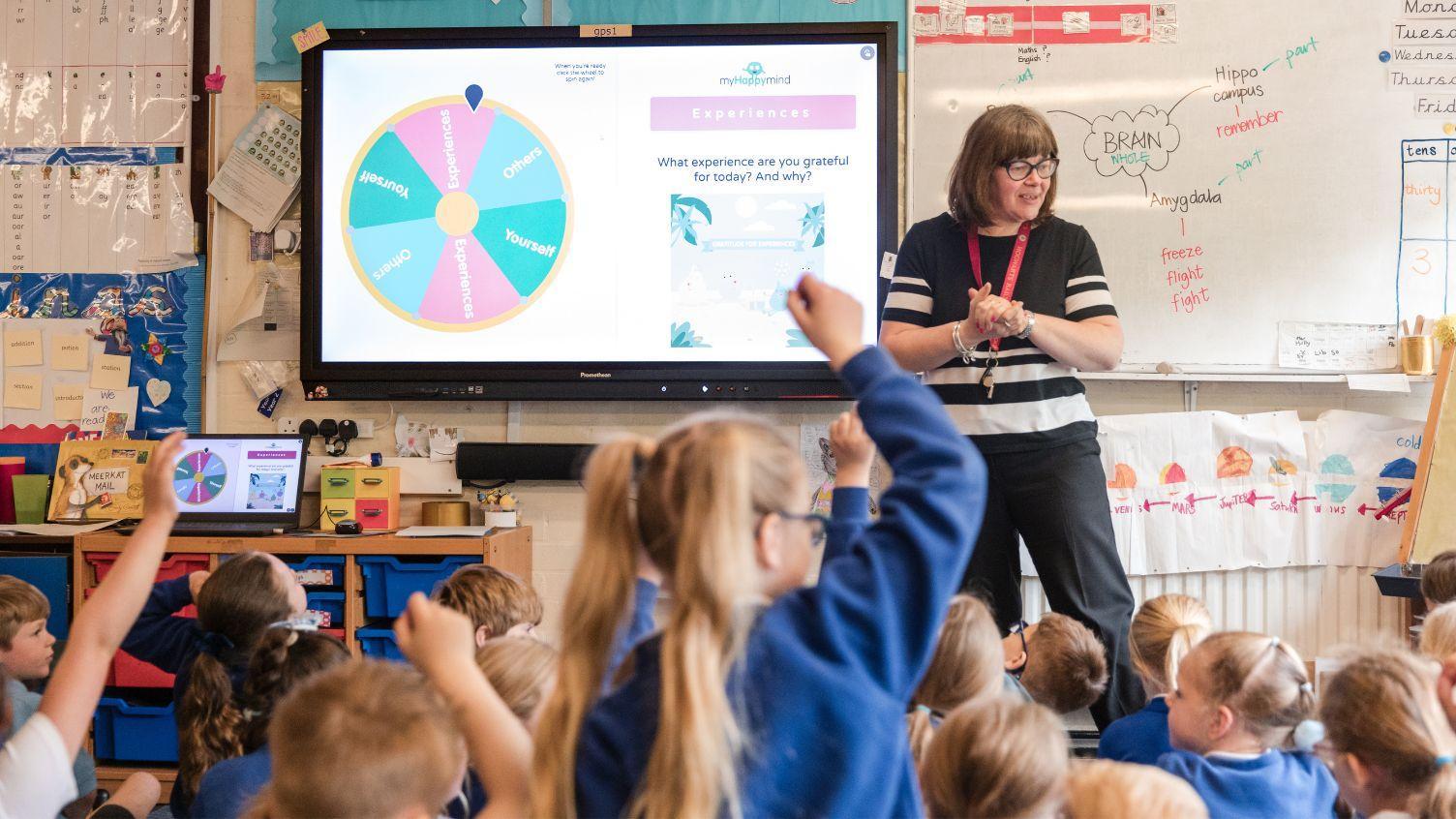
The Importance of Mental Well-Being in Education


The Importance of Mental Well-Being in Education 🧠🎓
Education is often associated with academic achievement, examinations, grades, and career preparation. However, true education is about much more than academic performance. Students also need emotional stability, confidence, healthy relationships, a sense of belonging, and the ability to manage everyday challenges. These elements are closely connected to mental well-being.
Mental well-being plays an important role in how students learn, communicate, make decisions, build relationships, and respond to challenges. A student who feels safe, supported, and emotionally balanced may find it easier to concentrate and participate in classroom activities. In contrast, persistent stress, loneliness, anxiety, bullying, or overwhelming academic pressure can make learning more difficult.
Schools, colleges, teachers, families, and communities therefore have an important role in creating environments where students can develop academically while also taking care of their emotional and social well-being.
Supporting mental well-being does not mean removing every challenge from education. Instead, it means helping students develop healthy ways to understand emotions, manage stress, seek support, solve problems, and recover from setbacks.
🧠 What Does Mental Well-Being Mean in Education?
Mental well-being refers broadly to a person’s emotional, psychological, and social ability to function and cope with everyday experiences.
In an educational environment, mental well-being can include:
- Feeling safe and respected
- Having supportive relationships
- Managing everyday stress
- Developing self-confidence
- Being able to ask for help
- Feeling connected to school or college
- Coping with mistakes and setbacks
- Maintaining healthy study and lifestyle habits
- Developing a positive sense of purpose
Good mental well-being does not mean that students never feel sad, worried, frustrated, or stressed. These emotions are normal parts of life.
Instead, the goal is to help students understand and manage difficult emotions while ensuring that appropriate support is available when problems become serious or persistent.
📚 1. Mental Well-Being Supports Better Learning
Learning requires attention, memory, motivation, and the ability to process information.
When students are overwhelmed by stress or emotional difficulties, concentrating on lessons can become harder.
A supportive educational environment can help students feel more comfortable asking questions, participating in discussions, and making mistakes.
🎯 Concentration and Attention
Students who are constantly worried about academic failure, social problems, or other challenges may find it difficult to focus on classroom activities.
Creating calm routines, providing clear expectations, allowing appropriate breaks, and encouraging students to communicate their concerns can support concentration.
Teachers do not need to eliminate every source of stress. Instead, they can help students develop strategies for managing manageable academic challenges.
📝 Better Academic Participation
Students who feel psychologically safe may be more willing to participate.
They may raise their hands, ask for clarification, contribute to group projects, and attempt difficult questions.
This active participation can strengthen learning.


❤️ 2. Creates a Positive School Environment
A student’s surroundings can strongly influence their experience of education.
A positive school environment is one where students feel respected, included, and reasonably safe.
Teachers and school staff can contribute by establishing clear behavioral expectations and treating students fairly.
🤝 Building a Sense of Belonging
Students are more likely to feel connected when they know that they are valued members of their school community.
Clubs, sports, creative activities, student organizations, peer groups, and collaborative projects can provide opportunities for students to develop friendships and social connections.
A simple feeling of belonging can make school a more positive experience.
🌈 Encouraging Inclusion
Students come from different families, cultures, abilities, interests, and life experiences.
Educational institutions can support well-being by creating environments where differences are treated with respect.
Inclusion is not only about preventing discrimination. It is also about helping students feel that they have a legitimate place in the community.
😟 3. Helps Students Manage Academic Stress
Academic pressure is a common part of student life.
Examinations, assignments, deadlines, competitive admissions, and expectations from parents or teachers can sometimes become overwhelming.
Some academic pressure can motivate students, but excessive or prolonged stress can interfere with well-being.
📅 Teaching Healthy Study Habits
Students can benefit from learning practical strategies such as:
- Creating realistic study schedules
- Breaking large tasks into smaller steps
- Taking appropriate breaks
- Prioritizing important work
- Avoiding unnecessary procrastination
- Getting adequate sleep
- Maintaining physical activity
- Asking for academic assistance when necessary
These habits can make academic responsibilities feel more manageable.
🎯 Focusing on Progress
Students may sometimes compare themselves constantly with classmates.
Educators can encourage students to focus on personal improvement rather than treating every grade as a measure of personal worth.
A test score provides information about performance on a particular assessment. It does not define a student’s intelligence, character, or future potential.
🗣️ 4. Encourages Students to Ask for Help
One of the most important aspects of mental well-being education is reducing the fear of asking for support.
Students may hesitate to talk about emotional difficulties because they fear judgment, embarrassment, or misunderstanding.
Schools can create clearer pathways for support by making students aware of trusted teachers, counselors, student-support services, and appropriate external resources.
👂 Listening Matters
Sometimes students need someone to listen before they are ready to discuss solutions.
Teachers and adults should listen respectfully and take significant concerns seriously.
At the same time, teachers are not expected to diagnose or treat mental health conditions. When a student needs specialized support, schools should help connect them with appropriately qualified professionals and safeguarding resources.
🧑🏫 5. Teachers Play an Important Role
Teachers interact with students regularly and may notice changes in behavior or participation.
A student who normally participates but suddenly becomes withdrawn may be experiencing difficulties.
A teacher does not need to determine the exact cause. Instead, they can respond with care and follow appropriate school procedures.
🌟 Supportive Teacher-Student Relationships
Respectful relationships between teachers and students can create a sense of trust.
Teachers can support well-being by:
- Listening respectfully
- Providing constructive feedback
- Setting clear expectations
- Recognizing effort and progress
- Avoiding unnecessary humiliation
- Encouraging questions
- Promoting respectful classroom behavior
A supportive teacher can have a lasting influence on a student’s educational experience.
🏠 6. Families Also Matter
Mental well-being in education cannot be addressed by schools alone.
Families can create supportive environments by maintaining open communication and avoiding excessive pressure around grades.
Parents and guardians can ask questions such as:
“How are you feeling about school?”
rather than focusing exclusively on:
“What marks did you get?”
This small difference can encourage students to discuss their experiences more openly.
💬 Healthy Communication
Families can encourage students to talk about successes as well as difficulties.
Listening without immediately criticizing can help create trust.
When a child faces persistent emotional or behavioral difficulties, families should consider seeking appropriate professional advice rather than assuming the student simply needs to “try harder.”
🛑 7. Addressing Bullying and Cyberbullying
Bullying can seriously affect a student’s sense of safety and belonging.
It may involve physical aggression, verbal insults, social exclusion, harassment, or online abuse.
Cyberbullying can be especially difficult because harmful content may spread quickly and follow students outside school hours.
🛡️ Creating Safer Environments
Schools should establish clear anti-bullying policies and ensure that students know how to report concerns.
Students can also contribute by refusing to participate in bullying, not sharing humiliating content, supporting classmates, and reporting serious incidents through appropriate channels.
A culture of respect benefits everyone.


🧘 8. Teaching Healthy Stress-Management Skills
Students can benefit from learning practical techniques for managing everyday stress.
Schools might incorporate age-appropriate activities such as breathing exercises, physical activity, reflection, time management, or mindfulness practices.
These activities should complement—not replace—professional support when a student is experiencing significant mental health difficulties.
🌿 Simple Daily Habits
Students can support their overall well-being through basic habits such as:
- Maintaining a regular sleep schedule
- Eating balanced meals
- Staying physically active
- Spending time outdoors
- Taking breaks from screens
- Maintaining social connections
- Organizing schoolwork
- Making time for enjoyable activities
These habits can support general well-being and help students maintain balance.
🏃 9. Physical Activity and Mental Well-Being
Physical and mental well-being are closely connected.
Regular physical activity can support mood, energy, sleep, and general health.
Schools can encourage movement through sports, physical education, walking activities, recreational programs, and active breaks where appropriate.
Students do not have to become competitive athletes to benefit from movement.
Walking, cycling, dancing, stretching, swimming, and recreational games can all provide opportunities for physical activity.
😴 10. The Importance of Sleep
Sleep is another important part of student well-being.
Students who regularly sacrifice sleep for studying or screen use may find it harder to concentrate and regulate emotions.
Educational institutions and families can help students understand why adequate sleep matters.
A healthy study schedule should include time for rest rather than treating sleep as time that can always be sacrificed for additional studying.
📱 11. Promoting Healthy Digital Habits
Technology has transformed education, communication, and entertainment.
Digital devices can provide valuable learning resources, but excessive or poorly managed screen use can interfere with sleep, physical activity, concentration, and face-to-face relationships.
Students can benefit from learning how to use technology intentionally.
🔐 Digital Balance
Healthy digital habits may include:
- Taking regular screen breaks
- Avoiding unnecessary late-night device use
- Managing notifications
- Protecting personal privacy
- Limiting exposure to harmful online content
- Making time for offline activities
The goal is not to eliminate technology but to develop a balanced relationship with it.
🎨 12. Encouraging Creativity and Self-Expression
Creative activities can provide students with healthy opportunities for self-expression.
Art, music, writing, theatre, photography, dance, crafts, and other creative activities can help students explore interests and express ideas.
Not every student will be interested in the same activities, so schools can offer a variety of options.
Creativity can also provide a break from examination-focused learning and help students discover abilities that traditional academic assessments may not measure.
👥 13. Developing Strong Social Connections
Positive relationships are important to student well-being.
Friends can provide companionship, encouragement, and a sense of belonging.
Schools can encourage healthy relationships through group projects, clubs, sports, peer activities, and community programs.
Students should also learn important interpersonal skills such as communication, empathy, conflict resolution, and respectful disagreement.
These skills are useful not only during school years but throughout adulthood.
🌟 14. Building Resilience
Resilience refers broadly to the ability to cope with difficulties and adapt to challenges.
Education inevitably involves setbacks.
Students may fail an examination, lose a competition, experience friendship problems, or struggle with a difficult subject.
A healthy educational environment can teach students that setbacks are opportunities to learn rather than proof that they are incapable.
🔄 Learning From Mistakes
Teachers can encourage students to ask:
- What went wrong?
- What can I learn from it?
- What can I try differently?
- Who can help me improve?
This approach can turn mistakes into learning experiences.
Resilience does not mean pretending that difficulties do not hurt. It means developing healthy ways to respond to them.
🧠 15. Developing Emotional Intelligence
Education can also help students understand emotions.
Emotional intelligence includes skills such as recognizing emotions, managing reactions, understanding others, communicating effectively, and building healthy relationships.
Students can develop these skills through classroom discussions, group activities, reflection exercises, and everyday interactions.
A student who can recognize frustration before reacting aggressively may be better able to resolve conflicts.
A student who can communicate anxiety appropriately may be more likely to seek support.
These skills can have long-term benefits.
🎓 16. Mental Well-Being Supports Long-Term Success
Education is not only preparation for the next examination.
It is preparation for life.
Students who develop healthy approaches to stress, communication, relationships, decision-making, and self-care can carry these skills into higher education, employment, family life, and community participation.
Academic knowledge is important, but the ability to maintain well-being while dealing with life’s challenges is also valuable.
🏫 17. What Schools Can Do
Schools can take several practical steps to promote student well-being.
Create Supportive Policies
Clear policies can address bullying, harassment, safeguarding, student support, and respectful behavior.
Train Teachers
Teachers can receive training on recognizing concerns, responding appropriately, and following safeguarding procedures.
Provide Access to Support
Students should know where they can go when they need help.
Encourage Physical Activity
Schools can provide opportunities for movement and recreation.
Reduce Unnecessary Pressure
Academic standards can remain high while schools avoid creating unhealthy competition or excessive workloads.
Build Community
Clubs, events, mentoring programs, and collaborative activities can strengthen students’ sense of belonging.
🌍 18. Creating a Whole-School Approach
Mental well-being should not be treated as a single annual event or an isolated lesson.
A stronger approach integrates well-being into everyday school culture.
This means considering student well-being when designing schedules, assignments, assessment systems, discipline policies, extracurricular activities, and communication practices.
Every member of the school community has a role to play.
Teachers, administrators, counselors, families, students, and support staff can work together to create healthier educational environments.
📊 19. Measuring What Matters
Schools often measure success through grades, examination results, attendance, and graduation rates.
These indicators are useful, but they do not tell the complete story.
Schools can also consider indicators related to student engagement, belonging, participation, attendance patterns, bullying reports, access to support, and student feedback.
The purpose of collecting such information should be to improve educational environments, not to label or stigmatize students.
🌱 20. Students Can Take Responsibility for Their Well-Being
Schools and families have important responsibilities, but students can also develop healthy habits.
Students can:
- Ask for help when they need it
- Maintain realistic study schedules
- Get adequate rest
- Stay physically active
- Maintain supportive friendships
- Take breaks when appropriate
- Avoid constant comparison with others
- Spend time on meaningful interests
- Communicate concerns respectfully
- Seek qualified support when difficulties become serious
Self-care is not about avoiding responsibilities. It is about maintaining the physical and emotional resources needed to handle them effectively.
⚠️ Recognizing When More Support Is Needed
Every student experiences occasional stress or sadness.
However, persistent or severe changes in mood, behavior, functioning, sleep, relationships, attendance, or academic performance may indicate that additional support is needed.
Students and families should take significant concerns seriously.
Teachers and schools can help connect students with qualified mental health professionals or appropriate support services when necessary.
Mental health difficulties should not be treated as a character flaw or simply dismissed as a lack of effort.
Seeking help is a responsible step.
🌟 Conclusion
Mental well-being is an essential part of meaningful education. Students cannot be reduced to grades, test scores, or academic achievements. They are complete individuals with emotions, relationships, interests, challenges, strengths, and aspirations.
A healthy educational environment should therefore support both academic development and emotional well-being.
🧠 Healthy minds support effective learning.
❤️ Supportive relationships create a sense of belonging.
📚 Balanced routines can make academic challenges more manageable.
🤝 Kind and inclusive schools help students feel valued.
🌱 Resilience and emotional skills prepare students for life beyond the classroom.
Supporting mental well-being does not mean lowering educational expectations. Instead, it means creating conditions in which students are better equipped to meet those expectations.
When schools, families, teachers, and students work together, education can become more than a pathway to academic success. It can become a foundation for confident, healthy, resilient, compassionate, and capable individuals.
Ultimately, the purpose of education is not simply to help students pass examinations. It is to help them develop the knowledge, skills, relationships, and well-being they need to build fulfilling lives and contribute positively to society. 🌍🎓❤️
If you’d like, I can also prepare SEO keywords, comma-separated tags, a meta description, FAQs, and 5 alternative titles for this article.